A Riyadh villa owner can have two polished proposals and still not know which is safer to sign. One may be cheaper, one may show stronger renders, and both may hide risk in scope, drawings, procurement, supervision, exclusions, and payment terms.
The practical move is to normalize the proposals before judging style. The owner is choosing who will carry responsibility when site dimensions change, imported materials are delayed, furniture arrives damaged, or the contractor asks for a variation.
Riyadh villa owners should compare interior design proposals by scope before comparing style
The safest first comparison is whether each proposal covers the same rooms, design stages, drawings, procurement support, supervision visits, revisions, and handover responsibilities.
- Room scope risk: check every villa zone, including majlis areas, guest bathrooms, corridors, stair walls, kitchens, laundry, balconies, outdoor seating, and storage.
- Stage scope risk: compare concept design, schematic design, detailed design, tender support, procurement, site supervision, and handover as separate lines.
- Responsibility risk: confirm whether architecture, interior design, fit-out, loose furniture, artwork, accessories, and styling sit inside one proposal or outside it.
- Collection risk: if the villa includes a private gallery, rare books, or collectible display, scope should include documentation and access planning. The National Park Service Museum Handbook is a conservative reference for preservation, documentation, access, and use of collections.
A lower design fee is not comparable if the Riyadh villa scope is smaller
A lower proposal can be fair only after the owner normalizes the scope room by room and stage by stage. Proposal A might include detailed joinery drawings for the majlis, bedrooms, and bathrooms, while Proposal B includes only concept boards and 3D views for selected rooms. Proposal B may look cheaper because the contractor will later price missing ceilings, lighting, wardrobes, vanity units, wall cladding, and site coordination separately.
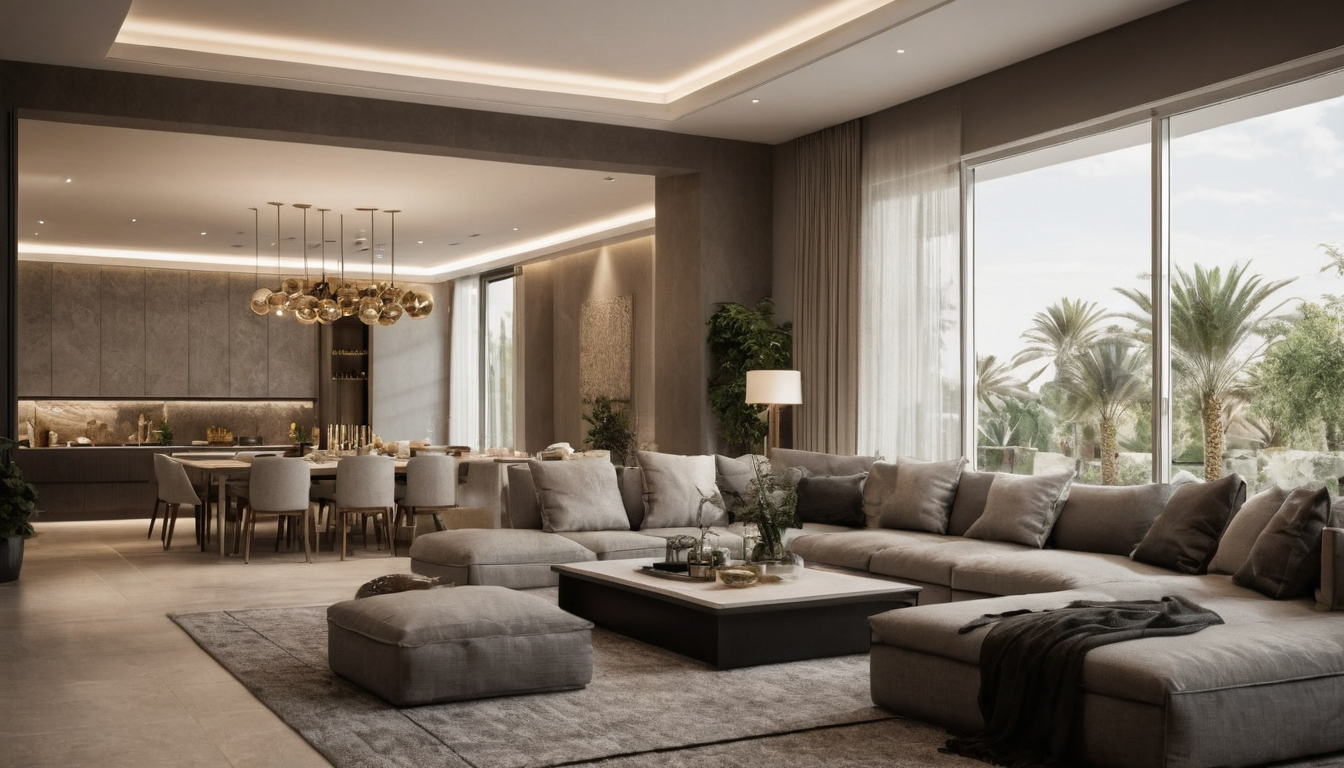
Riyadh villa owners should compare interior design proposals by scope before comparing style shown with finish, fixture, and clearance relationships visible.
Before asking which interior designer Riyadh families prefer, ask which proposal protects the owner from unclear site decisions. Broader interview prompts can sit beside this exercise, including questions to ask your interior designer before signing.
Riyadh villa proposals should state whether they cover design only or design-and-build
A design-only proposal usually sells advice, drawings, specifications, and limited review. A design-and-build or fit-out proposal usually adds contractor pricing, procurement, installation, joinery execution, supplier coordination, and site responsibility. Those words must appear clearly, because a designer, contractor, joinery supplier, and procurement agent do not carry the same duty unless the contract says so.
A Riyadh interior design proposal should list the exact drawings and deliverables
A serious Riyadh interior design proposal should name measurable deliverables, not only describe a beautiful concept.
- Concept stage: mood direction, space planning, reference images, preliminary furniture layouts, and selected room renders.
- Design development: confirmed layouts, wall elevations, ceiling intent, lighting positions, finish direction, sanitaryware direction, and key joinery concepts.
- Tender or pricing package: dimensioned drawings, material codes, fixture schedules, joinery drawings, door and hardware notes where relevant, and specifications clear enough for contractor comparison.
- Shop drawing review: the designer’s review of contractor or joinery drawings before fabrication, if included.
- As-built documentation: updated records after site changes, if included.
Concept renders are not enough for Riyadh villa fit-out pricing
Photorealistic renders help a family agree on the feeling of the majlis, master suite, or staircase lobby. Renders do not tell a fit-out contractor how to build the room. A render may hide missing dimensions, fixing details, substrate requirements, electrical points, lighting specifications, stone thickness, veneer direction, and material codes.
Villa owners comparing interior design companies in Riyadh should ask whether the proposal includes tender drawings, not only presentation drawings. A contractor pricing from images will add assumptions, and those assumptions can become variation orders when the site team discovers missing ceiling, ventilation, backing, or access details.
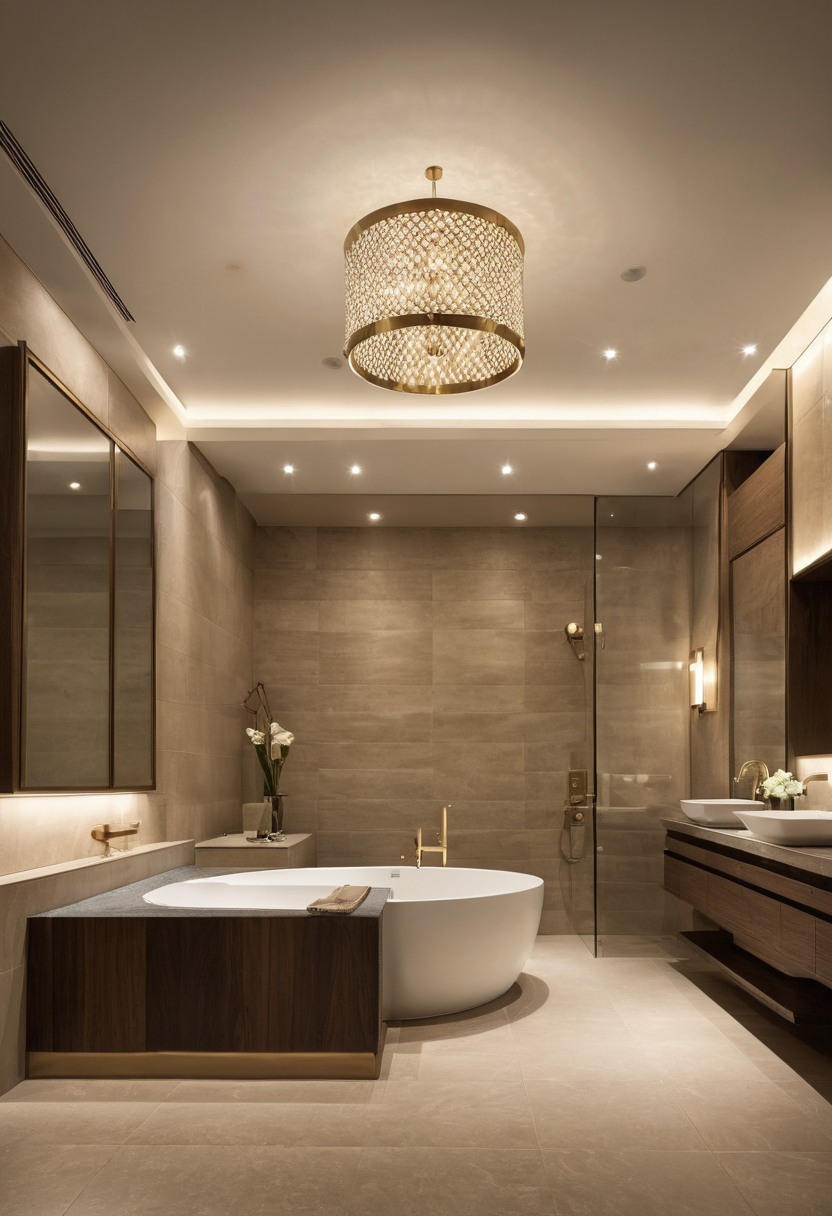
A Riyadh interior design proposal should list the exact drawings and deliverables shown with floor, wall, and fixture relationships visible.
Joinery, lighting, and ceiling drawings need special attention in Riyadh villas
Joinery drawings deserve close checking because wardrobes, vanities, TV walls, majlis display units, kitchens, pantry storage, and service-area cabinets can consume a large share of a villa fit-out budget. The proposal should say whether joinery deliverables include plans, elevations, sections, internal layouts, finishes, handles, hinges, lighting channels, and appliance allowances.
Lighting and reflected ceiling plans also need clear scope. Riyadh villas often combine chandeliers, cove lighting, downlights, wall washers, decorative pendants, and smart control zones. The drawing package should show switching logic, circuit intent, ceiling levels, curtain pockets, AC diffuser coordination, and maintenance access. For qualified LED lighting, ENERGY STAR states that qualified LED lighting uses at least 75 percent less energy and lasts up to 25 times longer than incandescent lighting, but the proposal still needs fixture schedules and control details before pricing.
Revision limits should be stated before the villa owner approves the proposal
Revision rules protect both the owner and the interior designer. A clear proposal should state how many concept options are included, how many revision rounds apply to each stage, and what counts as a new scope request. Changing a finish may be a normal revision; moving the guest majlis, redesigning the staircase wall, or changing the kitchen layout after approval may require new drawings and extra fees.
Riyadh villa owners should check procurement, furniture, and material responsibilities line by line
Procurement can carry as much risk as design because imported furniture, custom joinery, stone, porcelain, sanitaryware, lighting, and decorative finishes affect cost, timing, and warranty responsibility.
The first diagnostic question is simple: is the proposal offering specification only, procurement management, or supply? Client-direct purchasing means the owner carries ordering, payment, delivery, damage, and warranty risk. Designer procurement management means the designer coordinates quotations, approvals, tracking, and installation support, usually for a fee or markup. Contractor supply means the fit-out contractor buys specified or approved items and carries supply coordination under the works contract.
Riyadh villa furniture schedules should separate specification from purchasing
A Riyadh villa furniture schedule should list each sofa, dining chair, rug, curtain, chandelier, wall light, accessory, artwork, appliance, outdoor furniture item, and majlis piece with description, dimensions, supplier, finish, fabric, quantity, estimated budget, room location, lead-time note, and procurement responsibility.
Owners often assume that if an interior designer in Riyadh specifies a sofa or chandelier, the designer will also buy it, chase the supplier, inspect it, arrange delivery, and handle replacement if it arrives damaged. The proposal should remove that assumption. For hospitality rooms, majlis planning and hospitality-focused furniture decisions should connect to actual purchasing responsibility.
Imported luxury materials need clear approval, substitution, and warranty rules
Imported marble, porcelain slabs, decorative lighting, fabrics, and sanitaryware need an approval trail before deposits are paid. Strong proposals attach or promise material boards, technical data sheets, supplier quotations, physical samples, finish codes, and mock-ups for high-risk details such as bookmatched stone, curved joinery, shower niches, and stair cladding.
Natural stone needs care expectations as well as visual approval. The Natural Stone Institute recommends neutral cleaners, stone soap, or mild liquid dishwashing detergent with warm water for natural stone surfaces, and warns that scouring powders or abrasive creams can scratch stone. Substitution rules should say who approves alternatives if a selected item is unavailable, delayed, damaged, or affected by shipping and currency changes.
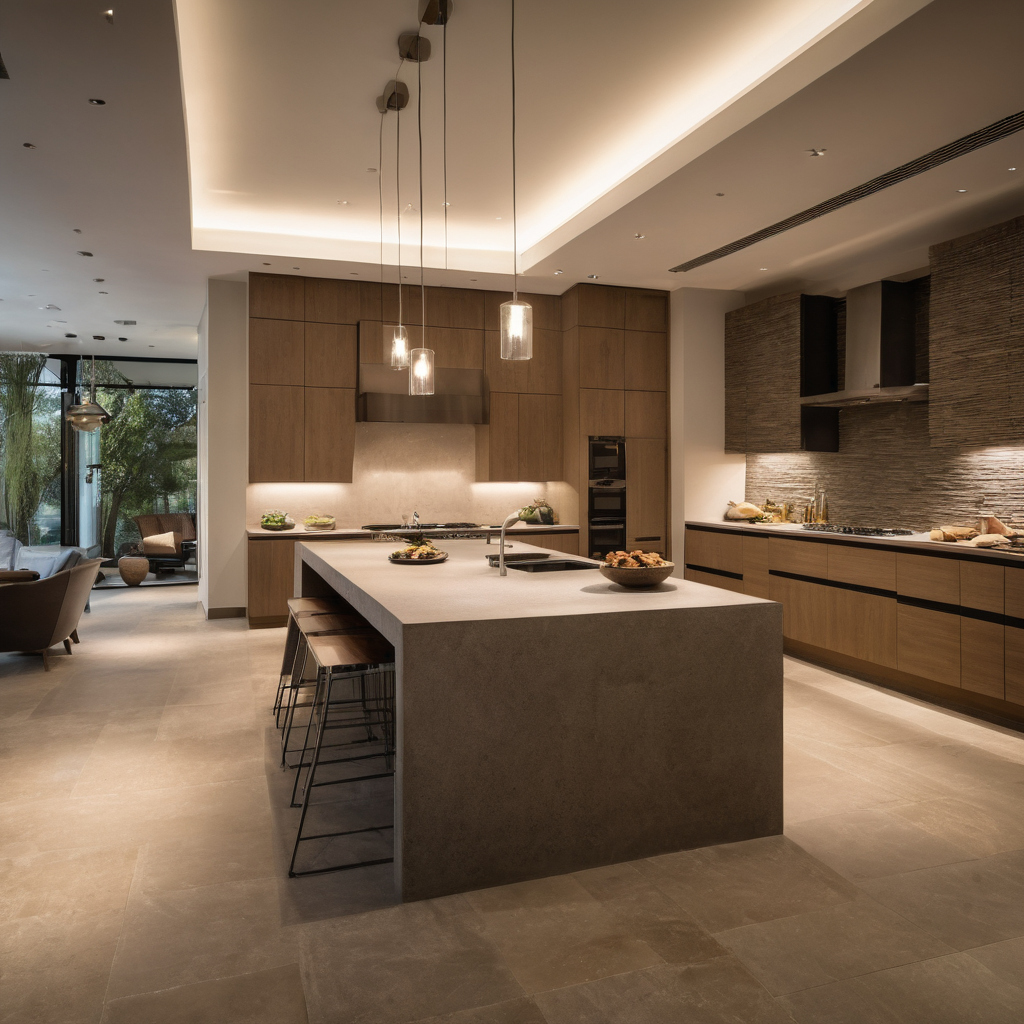
Riyadh villa owners should check procurement, furniture, and material responsibilities line by line shown as an editorial reference for proportion and finish coordination.
Site supervision in Riyadh interior design proposals must define visits, authority, and reporting
Villa owners should not assume that design fees include daily site supervision, because many Riyadh proposals include limited design-intent visits while contractor management belongs to another party.
Design supervision is not the same as contractor management in a Riyadh villa
Design supervision usually means the designer checks whether site work follows approved drawings, finishes, proportions, and design intent. Project management is broader: programme control, contractor coordination, procurement tracking, meeting minutes, variation review, and follow-up until handover. Contractor site management is different because the contractor controls labour, tools, protection, safety practice, and daily workmanship.
A clear proposal should state the site visit pattern. Common milestone visits may happen after demolition, MEP rough-in, ceiling closure, joinery installation, stone or tile installation, painting, loose furniture placement, and final snagging. Some proposals offer weekly visits during active fit-out. Others offer on-call visits charged separately, which can be risky during fast decisions on ceilings, lighting points, marble thresholds, or majlis wall cladding.
- Owner: approves budget, scope changes, payments, and final selections.
- Interior designer: reviews design intent, finishes, samples, mockups, and drawing compliance.
- Fit-out contractor: manages labour, site protection, sequencing, defects, and construction quality.
- MEP contractor: handles air-conditioning, plumbing, electrical routing, load coordination, and testing.
- Project manager, if appointed: tracks programme, minutes, coordination, claims, approvals, and handover documents.
Material supervision affects comfort after handover. The U.S. Environmental Protection Agency identifies paints, varnishes, waxes, cleaning products, building materials, and furnishings as common indoor sources of volatile organic compounds, and recommends increasing ventilation when products that emit VOCs are used indoors. Riyadh villa proposals should clarify who checks low-odour product choices, curing time, and ventilation before family occupancy. EPA guidance on volatile organic compounds and indoor air quality supports that concern.
Riyadh villa owners should ask how site decisions are approved
Site decisions should move through written approvals, not corridor conversations. A good proposal explains who can approve shop drawings, material samples, substitute finishes, lighting relocations, socket positions, ceiling access panels, and joinery dimensions. Useful records include dated site reports, inspection notes with photos, sample approval sheets, snag lists, revised drawings, and variation orders priced before work proceeds.
Proposal exclusions are where Riyadh villa owners find the real contract risk
The exclusions page often shows the real contract risk because it reveals which expensive responsibilities sit outside the design fee. For Riyadh villas, owners should check whether MEP redesign, structural changes, authority approvals, kitchen design, landscaping, pools, elevators, smart home systems, loose furniture, styling, contractor tendering, and variation management are included or excluded.
MEP and smart home exclusions matter in Riyadh villa renovations
MEP exclusions can turn a beautiful layout into a site problem. If the proposal moves walls, adds a show kitchen, changes bathroom positions, lowers ceilings, or upgrades lighting scenes, the owner should ask who checks air-conditioning routes, electrical load, plumbing, drainage, access panels, and low-current wiring.
Smart home scope needs the same clarity. Lighting control, curtains, CCTV, Wi-Fi, audio, intercom, gate systems, and sensor locations often involve separate suppliers. The designer may show switch plates and ceiling devices, but the smart systems contractor may still need separate design, programming, cabling, testing, and warranty responsibility.
Majlis, guest bathrooms, and hospitality areas need explicit scope in Saudi villas
Saudi hospitality spaces carry higher risk because the finish expectations are visible to guests. A men’s majlis, women’s majlis, guest entrance, powder room, dining room, coffee service area, and family privacy barrier should not sit under a vague phrase such as “ground floor interiors.”
A stronger proposal names the guest-facing rooms and links them to drawings, finishes, furniture schedules, lighting scenes, wall treatments, sanitaryware, accessories, and site supervision. If the owner expects luxury stone, decorative ceilings, bespoke doors, or majlis seating, the proposal should say whether those items are designed, specified, procured, and inspected.
A proposal should explain what happens when the Riyadh villa site conditions change
Renovation exclusions matter because older villas can reveal uneven walls, hidden ducts, weak substrates, old waterproofing, blocked drainage routes, or undocumented electrical runs after demolition. New-build fit-outs can also face contractor errors, late civil changes, or mismatched dimensions.
The proposal should require written approval before extra work begins. A practical variation process records the site issue, responsible party, drawing impact, cost impact, time impact, and owner approval.
Riyadh villa owners should compare fee structure, VAT, and payment milestones before signing
A proposal is only cheaper if the total fee, VAT treatment, payment triggers, procurement charges, refund rules, and pause terms are all clear.
A cheap Riyadh interior design proposal can become expensive if milestones are vague
Interior design companies in Riyadh may price by fixed fee, square metre, percentage of project value, hourly consultation, procurement fee, or design-and-build margin. A clear proposal ties each payment to a visible event: signing deposit, concept approval, detailed drawing issue, tender package issue, procurement order, site supervision period, and handover. A vague proposal says “next stage,” “upon progress,” or “during execution” without saying what the villa owner receives before paying.
Saudi VAT is generally applied at 15 percent to taxable design, procurement, and fit-out services, so the proposal should state whether prices are inclusive or exclusive of VAT. The contract should also explain what happens if family approvals are delayed, the villa is placed on hold, or the owner cancels after concept work but before detailed drawings.
Procurement markups and contractor referral fees should be disclosed
Procurement wording matters because furniture, marble, lighting, joinery, curtains, and accessories can exceed the design fee. A clean proposal separates the design fee, procurement management fee, supplier margin, delivery charges, installation charges, and any discount retained by the designer or passed to the owner.
Contractor referrals need the same clarity. If an interior designer riyadh office recommends a fit-out contractor, joinery workshop, or furniture supplier, the villa owner should ask whether a referral fee, commission, or design-and-build margin applies. Clear procurement terms are one of the practical ways an interior designer can help control renovation costs.
A simple comparison checklist helps Riyadh villa owners choose between interior design companies
The strongest proposal is usually the one with clear deliverables, named responsibilities, realistic supervision, transparent exclusions, understandable fees, and a workflow that matches the villa’s size, family privacy needs, budget, and timeline.
Mark each category as essential, preferred, unclear, or excluded, then ask each office to clarify unclear items in writing before deposit payment.
- Confirm the full room scope, including majlis areas, stairs, corridors, kitchens, bathrooms, outdoor-connected spaces, and service areas.
- List the deliverables, including layouts, reflected ceiling plans, lighting plans, elevations, joinery details, material schedules, furniture schedules, and tender support.
- Check revision limits for concept and detailed design stages.
- Confirm who specifies, purchases, receives, stores, inspects, and replaces damaged items.
- Define supervision frequency, reporting method, decision authority, and coordination limits.
- Review exclusions for MEP redesign, smart home systems, authority approvals, appliances, styling, artwork, landscaping, and site variations.
- Compare fees, VAT treatment, payment milestones, cancellation terms, timeline, and the named team handling the villa.
Riyadh villa proposal red flags include missing drawings, vague exclusions, and unlimited promises
Villa proposal red flags often sound attractive at first reading. “Turnkey” creates risk if the scope does not say which rooms, trades, furniture, appliances, and approvals are included. “Full supervision” creates risk if the proposal does not state visit frequency. “Luxury materials” creates risk if marble, veneer, fabric, lighting, and hardware specifications are not listed.
Other red flags include a beautiful render package with no joinery sections, no ceiling coordination, no procurement responsibility, no revision limit, no written exclusion list, and a payment schedule that moves faster than the deliverables.
The final decision should match the villa owner’s risk tolerance, not only the portfolio
A premium proposal may be justified for a complex renovation, detailed majlis joinery, imported luxury finishes, a private family floor with strict access rules, or an owner who cannot attend frequent site meetings. A simpler design proposal may be enough for a limited room refresh, owner-managed purchasing, phased works, or a villa where the contractor already has strong technical drawings.
The safer decision is not always the cheapest proposal or the most dramatic portfolio. The safer decision is the proposal that makes responsibility visible before work starts.
FAQ: Riyadh villa owners should compare proposal safety before judging presentation quality
How can a Riyadh villa owner compare two interior design proposals if one has better renders but fewer drawings?
Compare buildable deliverables first. Better renders help with taste decisions, but fewer drawings can mean weaker pricing, more site assumptions, and more variation risk. Ask for the same room list, drawing list, revision rules, procurement scope, and supervision scope from both offices before choosing.
What should be included in a proposal from interior design companies in Riyadh before signing?
A proposal should include room scope, design stages, deliverables, revision limits, procurement responsibility, supervision visits, exclusions, payment milestones, VAT wording, timeline, and the named team or role responsible for the villa.
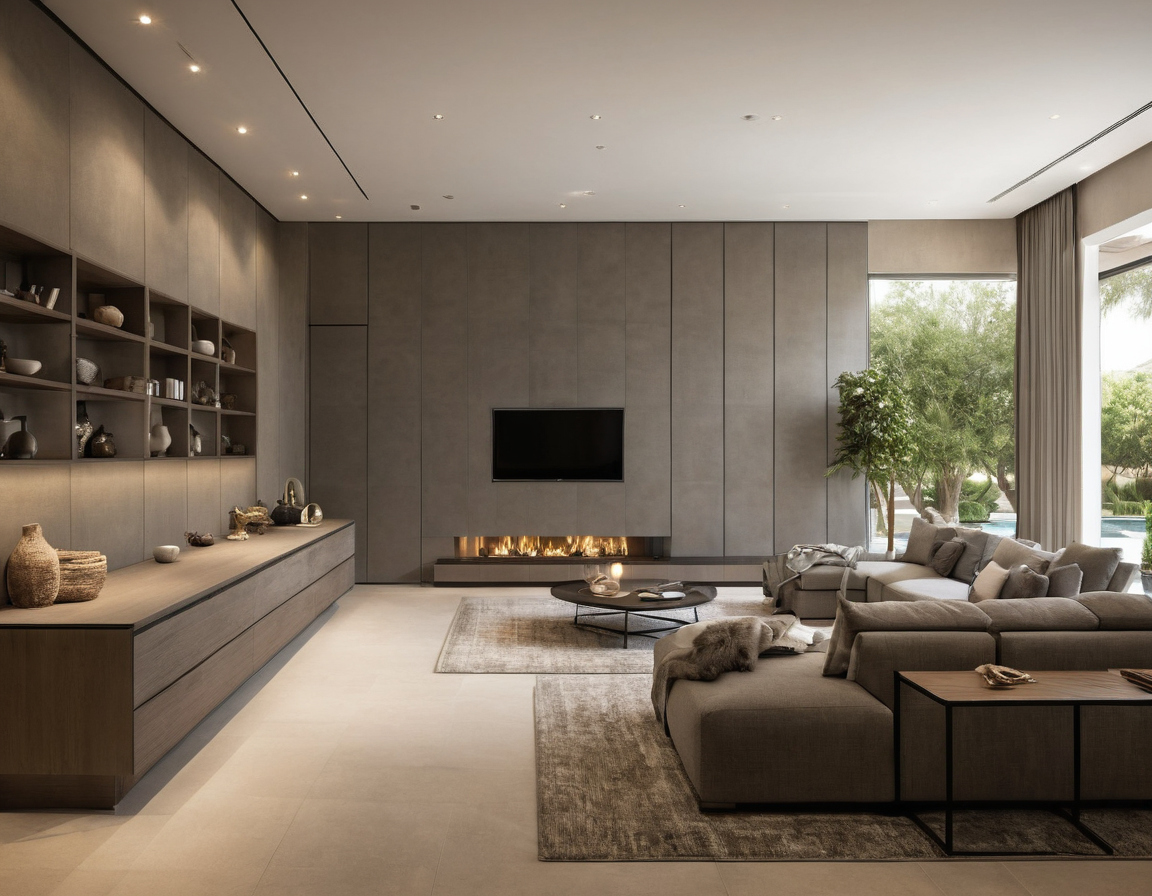
FAQ: Riyadh villa owners should compare proposal safety before judging presentation quality shown as a planning reference for layout, scale, and material decisions.